


11 Jun Flooded land
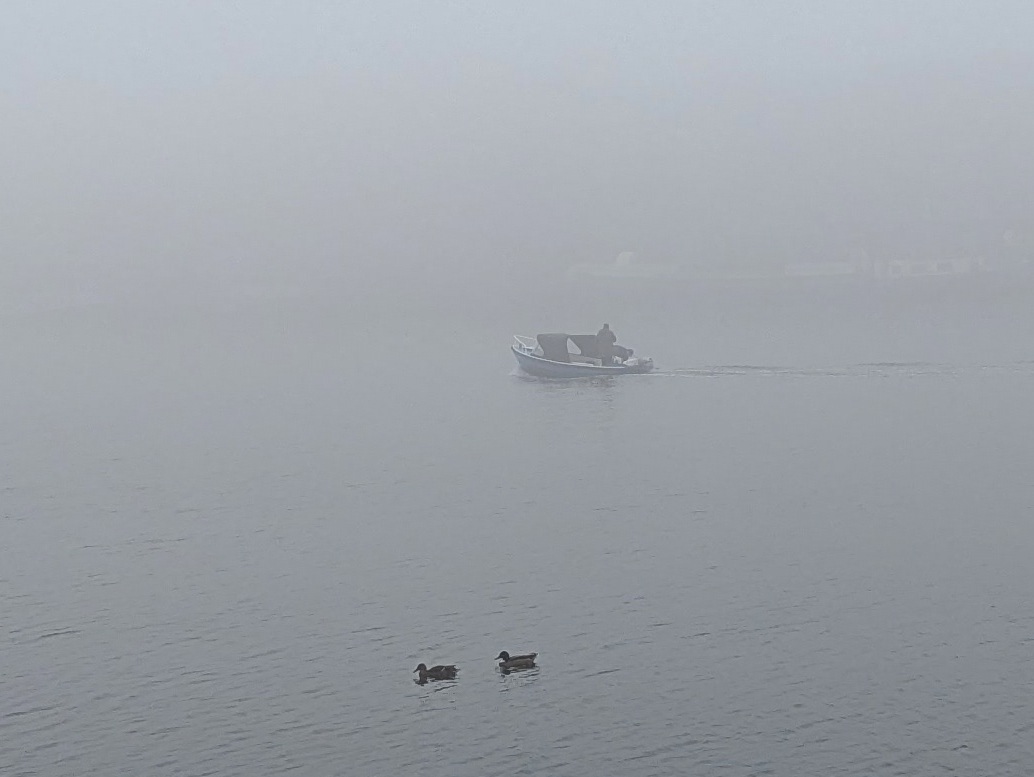
“Memory is like a continent,” says Nele Eeckhout, “a gigantic island, full of high mountains, dark valleys, bridges, roads, and cities. The whole thing is surrounded by water. When someone becomes demented, it means the continent begins to sink. The land floods, and large parts become inaccessible. The land sinks into the depths; only higher parts still rise above the water, like separate little islands. In Elisa’s case, the 84-year-old protagonist of the Dutch podcast “Bob,” there’s an island with a monastery on it, an island with a plane on it, and an island with a waving neighbor boy: Bob.
Waving Pilot
“What’s happening now,” Nele explains, “is that the brain is trying to connect these islands that aren’t actually connected.” So the waving neighbor boy, Bob, becomes a pilot who occasionally flies over and waves down. Old Elisa is certain. “The little bridges the brain has created,” says Nele, “enable Elisa to visit these islands and talk about them. That’s how the brain creates a new story.”
However, Elisa’s daughters have never heard of this Bob. Elisa only started talking about Bob when she began to develop dementia. Apparently, Bob’s island surfaced while other memories disappeared underwater.
Without a story, you disappear
Elsewhere in the podcast, a neuropsychiatrist speaks. He explains that all those islands most likely contain memories of emotional events. That’s what’s stored deepest in our memory.
I’ve never heard this aspect of dementia explained so clearly. At the same time, it reveals a lot about how memory functions. The first thing that stands out is that the brain apparently seeks connections. “People need a story,” says Nele, “without a story, you fall silent. Without a story, you disappear.” You can also notice the memory’s urge to connect in yourself. It’s our ability to associate. It’s the basis for good ideas and flashes of inspiration.
Constantly changing brain
Secondly, the brain creates stories. With dementia, this can be confusing, especially for bystanders, and it can be irritating. “That turned out completely differently,” but for the person with dementia, their reality is just as real. The ability to create stories is also the foundation of art, books, theater, films, and music.
Third, the brain is adaptable. It’s not a static gray mass, but constantly changing. Connections die and new ones emerge. It’s the foundation of development and transformation.
The podcast is a moving story. It tells of dementia and also of a hidden, painful past, just 75 years ago. Piece by piece, as in a crime drama, this hidden past is revealed. I won’t give any spoilers.
*This post has been automatically translated from Dutch
No Comments